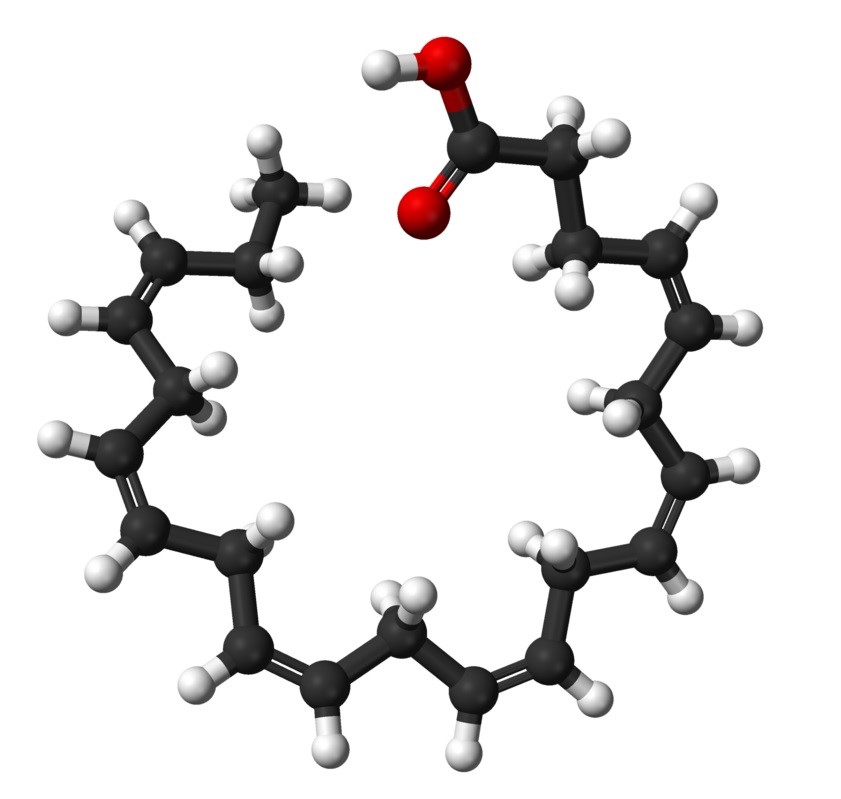
Docosahexaenoic acid (DHA) is a vital omega-3 fatty acid predominantly found in fatty fish like salmon, mackerel, sardines, and anchovies. As a long-chain polyunsaturated fatty acid, DHA plays an essential role in maintaining brain function, eye health, and cardiovascular integrity. It is a structural component of neuronal and retinal cell membranes, contributing significantly to cognitive development, memory retention, and visual acuity. These properties make DHA particularly critical during pregnancy and early childhood, as it supports the rapid development of the brain and nervous system.
Fish obtain DHA by consuming microalgae or smaller marine organisms that have accumulated it. Marine algae are the primary producers of DHA, making them a foundational source in the oceanic food chain. This is especially relevant for vegetarians, vegans, or those with fish allergies, as plant-based DHA supplements derived from algae offer an effective and sustainable alternative.
Recent scientific findings continue to reinforce the health benefits of DHA. Its strong anti-inflammatory properties may help lower the risk of chronic diseases such as heart disease, rheumatoid arthritis, and even Alzheimer’s disease. A 2023 meta-analysis published in Nutrients reported that regular DHA intake significantly improved endothelial function and reduced triglyceride levels, contributing to better cardiovascular outcomes. Furthermore, DHA appears to have neuroprotective effects. Emerging evidence indicates that DHA may slow cognitive decline in aging populations and support mental health by alleviating symptoms of depression and anxiety.
In addition to its role in the nervous system, DHA contributes to immune function and fetal visual development. The World Health Organization and various health authorities now recommend that pregnant and breastfeeding women ensure adequate DHA intake to support infant brain growth and reduce the risk of developmental delays.
In summary, DHA is a critical nutrient for lifelong health, supporting brain, heart, and eye function. Whether obtained through fatty fish or algae-based supplements, incorporating DHA into the diet offers significant protective and developmental benefits across all life stages.
The Importance of Docosahexaenoic Acid (DHA) for Human Health
The term "fish" is used to classify a particular type of food, similar to the way meat, poultry, and cheese are categorized. The variety of fish species exceeds that of other food groups, with the United States alone incorporating at least 50 different types of fish and shellfish for human consumption.
Showing posts with label functions. Show all posts
Monday, April 7, 2025
Saturday, February 8, 2025
The Essential Role of Omega-3 Fatty Acids in Health and Aging
Omega-3 fatty acids, particularly eicosapentaenoic acid (EPA) and docosahexaenoic acid (DHA), are essential nutrients predominantly found in fatty fish such as salmon, mackerel, sardines, and trout. These compounds are integral to human health, offering a range of benefits that extend across various bodily systems.
Cardiovascular Health
Regular consumption of omega-3-rich fish has been associated with a reduced risk of cardiovascular diseases. These fatty acids contribute to the maintenance of healthy cell membranes and are involved in producing signaling molecules that regulate inflammation and immune responses. Notably, omega-3s help lower triglyceride levels, reduce blood clotting, and improve arterial health, thereby supporting a healthier cardiovascular system.
Brain Health
Omega-3 fatty acids are crucial for brain development and function. Adequate intake has been linked to a lower risk of cognitive decline and neurodegenerative diseases such as Alzheimer's. These fatty acids support cognitive function and may reduce the risk of Alzheimer's disease.
Inflammation and Aging
Beyond cardiovascular and cognitive benefits, omega-3s possess significant anti-inflammatory properties. They produce metabolites that alleviate inflammation and facilitate cell and tissue healing. Chronic inflammation is associated with conditions like heart disease, cancer, and cognitive decline; thus, omega-3s play a role in mitigating these risks.
Recent research suggests that a daily intake of omega-3s may also slow the aging process. A major clinical trial involving nearly 800 healthy older adults found that taking one gram of omega-3 for three years resulted in participants aging three months less according to biological markers. When combined with vitamin D and regular exercise, this effect was enhanced to nearly four months.
Dietary Recommendations
Health organizations generally recommend a minimum of 250 mg and a maximum of 4,000 mg of combined EPA and DHA per day. The American Heart Association suggests eating two servings of fish (3-4 ounces) per week as part of a heart-healthy diet. It takes about 4-5 ounces of Atlantic salmon to provide 3 grams of omega-3 fatty acids. Fish oil supplements typically provide about 300 milligrams per pill, though doses vary.
Incorporating omega-3-rich foods into one's diet is a practical approach to harnessing these health benefits. For those who may not consume sufficient fish, omega-3 supplements can serve as an alternative, though it's advisable to consult with a healthcare provider before beginning any supplementation.
In summary, omega-3 fatty acids are vital components of a healthy diet, contributing to cardiovascular health, cognitive function, and the reduction of inflammation. Regular consumption of omega-3-rich fish or appropriate supplementation can play a significant role in maintaining overall health and potentially slowing the aging process.
The Essential Role of Omega-3 Fatty Acids in Health and Aging
Cardiovascular Health
Regular consumption of omega-3-rich fish has been associated with a reduced risk of cardiovascular diseases. These fatty acids contribute to the maintenance of healthy cell membranes and are involved in producing signaling molecules that regulate inflammation and immune responses. Notably, omega-3s help lower triglyceride levels, reduce blood clotting, and improve arterial health, thereby supporting a healthier cardiovascular system.
Brain Health
Omega-3 fatty acids are crucial for brain development and function. Adequate intake has been linked to a lower risk of cognitive decline and neurodegenerative diseases such as Alzheimer's. These fatty acids support cognitive function and may reduce the risk of Alzheimer's disease.
Inflammation and Aging
Beyond cardiovascular and cognitive benefits, omega-3s possess significant anti-inflammatory properties. They produce metabolites that alleviate inflammation and facilitate cell and tissue healing. Chronic inflammation is associated with conditions like heart disease, cancer, and cognitive decline; thus, omega-3s play a role in mitigating these risks.
Recent research suggests that a daily intake of omega-3s may also slow the aging process. A major clinical trial involving nearly 800 healthy older adults found that taking one gram of omega-3 for three years resulted in participants aging three months less according to biological markers. When combined with vitamin D and regular exercise, this effect was enhanced to nearly four months.
Dietary Recommendations
Health organizations generally recommend a minimum of 250 mg and a maximum of 4,000 mg of combined EPA and DHA per day. The American Heart Association suggests eating two servings of fish (3-4 ounces) per week as part of a heart-healthy diet. It takes about 4-5 ounces of Atlantic salmon to provide 3 grams of omega-3 fatty acids. Fish oil supplements typically provide about 300 milligrams per pill, though doses vary.
Incorporating omega-3-rich foods into one's diet is a practical approach to harnessing these health benefits. For those who may not consume sufficient fish, omega-3 supplements can serve as an alternative, though it's advisable to consult with a healthcare provider before beginning any supplementation.
In summary, omega-3 fatty acids are vital components of a healthy diet, contributing to cardiovascular health, cognitive function, and the reduction of inflammation. Regular consumption of omega-3-rich fish or appropriate supplementation can play a significant role in maintaining overall health and potentially slowing the aging process.
The Essential Role of Omega-3 Fatty Acids in Health and Aging
Labels:
fatty acid,
functions,
human health
Thursday, August 29, 2024
Understanding Otter Trawls: Design, Function, and Sustainable Fishing Practices
Otter trawls are a primary method used in commercial fishing to catch bottom-dwelling fish such as cod, haddock, and flounder. These large, cone-shaped nets are towed behind fishing boats, skimming along or just above the seabed. The design of the otter trawl is specialized to maximize efficiency while targeting specific fish species.
The mouth of the net is designed to stay open while it is being towed. This is achieved by attaching floats to the top of the net and weights to the bottom. These components create a vertical opening, ensuring the net remains open as it moves through the water. Horizontally, the net is kept open by “doors,” which are large rectangular wooden frames attached to the towing lines on either side of the net’s mouth. These doors spread the net wide, increasing the area it can cover and allowing for a more effective capture of fish.
The far end of the otter trawl, known as the "cod end," is constructed with a mesh size that is small enough to retain fish of edible size while allowing smaller, juvenile fish to escape. This design is critical for promoting sustainable fishing practices, as it helps prevent overfishing of young fish that have not yet reached maturity.
After a period of towing, the net is hauled back to the boat. The cod end is then secured with a strap and lifted out of the water. A specialized mechanism allows the bottom end of the net to open, releasing the fish onto the deck. This efficient process minimizes handling time, reducing stress on the catch and ensuring the freshness of the fish for market.
Recent advances in trawl design and technology have focused on improving selectivity and reducing bycatch, further supporting sustainable fishing efforts. Additionally, ongoing research aims to minimize the environmental impact of trawling on seafloor habitats, balancing the demands of commercial fishing with the need for conservation.
Understanding Otter Trawls: Design, Function, and Sustainable Fishing Practices
The mouth of the net is designed to stay open while it is being towed. This is achieved by attaching floats to the top of the net and weights to the bottom. These components create a vertical opening, ensuring the net remains open as it moves through the water. Horizontally, the net is kept open by “doors,” which are large rectangular wooden frames attached to the towing lines on either side of the net’s mouth. These doors spread the net wide, increasing the area it can cover and allowing for a more effective capture of fish.
The far end of the otter trawl, known as the "cod end," is constructed with a mesh size that is small enough to retain fish of edible size while allowing smaller, juvenile fish to escape. This design is critical for promoting sustainable fishing practices, as it helps prevent overfishing of young fish that have not yet reached maturity.
After a period of towing, the net is hauled back to the boat. The cod end is then secured with a strap and lifted out of the water. A specialized mechanism allows the bottom end of the net to open, releasing the fish onto the deck. This efficient process minimizes handling time, reducing stress on the catch and ensuring the freshness of the fish for market.
Recent advances in trawl design and technology have focused on improving selectivity and reducing bycatch, further supporting sustainable fishing efforts. Additionally, ongoing research aims to minimize the environmental impact of trawling on seafloor habitats, balancing the demands of commercial fishing with the need for conservation.
Understanding Otter Trawls: Design, Function, and Sustainable Fishing Practices
Labels:
fishing,
functions,
otter trawls
Saturday, February 4, 2023
What is fish scale?
Many fish have an outer covering of scales. Scales protect fish, much like a suit of armor. A fish scale is a tiny, hard plate that emerges from the fish's epidermis. Fish scales are made of bone from the dermal, or deeper, skin layer. Scales provide protection from the environment and from predators. They make swimming easier by minimising water friction and resistance.
These protective scales, which are also good camouflage due to reflection and coloration as well as potential hydrodynamic benefits, cover the skin of the majority of jawed fishes. Its first defense is to protect the fish's underlying structures such as nerves, blood vessels and bodily organs.
Fish scales are composed of a surface layer containing hydroxyapatite, calcium carbonate and a deeper layer made up of mostly collagen type I. Elements like Ca, Mg, P, Na, S are also present in minute concentrations.
Keratin, collagen, enamel, and protein-rich mucus make up the majority of fish scales. Collagen and mucus supply a significant amount of protein, particularly lysine. Calcium phosphate is abundant in fish scales, which provides as a calcium source for strong bones and teeth.
Collagen from such fish scales is often used in hydrolyzate form, i.e., protein hydrolyzate and collagen peptide. Such peptides are used in functional foods, as food additives and cosmetics applications due to their physical properties, tight structure and thermal stability.
What is fish scale?
These protective scales, which are also good camouflage due to reflection and coloration as well as potential hydrodynamic benefits, cover the skin of the majority of jawed fishes. Its first defense is to protect the fish's underlying structures such as nerves, blood vessels and bodily organs.
Fish scales are composed of a surface layer containing hydroxyapatite, calcium carbonate and a deeper layer made up of mostly collagen type I. Elements like Ca, Mg, P, Na, S are also present in minute concentrations.
Keratin, collagen, enamel, and protein-rich mucus make up the majority of fish scales. Collagen and mucus supply a significant amount of protein, particularly lysine. Calcium phosphate is abundant in fish scales, which provides as a calcium source for strong bones and teeth.
Collagen from such fish scales is often used in hydrolyzate form, i.e., protein hydrolyzate and collagen peptide. Such peptides are used in functional foods, as food additives and cosmetics applications due to their physical properties, tight structure and thermal stability.
What is fish scale?
Labels:
fish scales,
functions,
scales
Thursday, April 28, 2022
Functions of fish gills
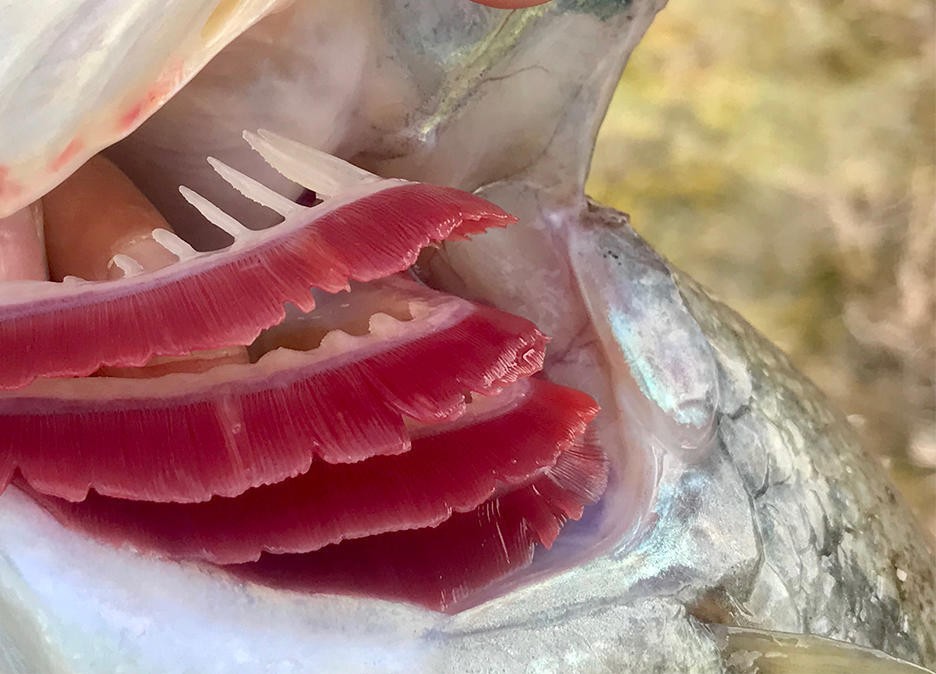
The fish gill is arguably the most physiologically diversified and anatomically complex vertebrate organ. Gills are the equivalent of a mammal’s lungs. Their primary purpose is to exchange gases, take oxygen in and release carbon dioxide out of the fish.
Bony fish have eight gill arches, four on each side of the mouth cavity. Each arch bears numerous paired filaments and many thin respiratory lamellae, thereby greatly increasing the respiratory surface area. The gills are protected by a gill cover in teleosts and many other fishes but by flaps of skin in sharks, rays, and some of the older fossil fish groups.
Fish gills are responsible for a number of critical functions in addition to respiration: gas exchange, plays dominant roles in osmotic and ionic regulation, excretion of nitrogenous waste, pH regulation, and hormone production.
Fish need to take in oxygen and expel carbon dioxide in order to survive. Most fishes exchange dissolved oxygen and carbon dioxide in water by means of the gills.
Gills are branching organs located on the side of fish heads that have many, many small blood vessels called capillaries.
Blood capillaries is beneath a thin epithelium that separates the blood from the water, allowing oxygen and carbon dioxide to pass through easily.
As the fish opens its mouth, water runs over the gills, and blood in the capillaries picks up oxygen that’s dissolved in the water. Then the blood moves through the fish’s body to deliver the oxygen, just like in humans.
Functions of fish gills
Bony fish have eight gill arches, four on each side of the mouth cavity. Each arch bears numerous paired filaments and many thin respiratory lamellae, thereby greatly increasing the respiratory surface area. The gills are protected by a gill cover in teleosts and many other fishes but by flaps of skin in sharks, rays, and some of the older fossil fish groups.
Fish gills are responsible for a number of critical functions in addition to respiration: gas exchange, plays dominant roles in osmotic and ionic regulation, excretion of nitrogenous waste, pH regulation, and hormone production.
Fish need to take in oxygen and expel carbon dioxide in order to survive. Most fishes exchange dissolved oxygen and carbon dioxide in water by means of the gills.
Gills are branching organs located on the side of fish heads that have many, many small blood vessels called capillaries.
Blood capillaries is beneath a thin epithelium that separates the blood from the water, allowing oxygen and carbon dioxide to pass through easily.
As the fish opens its mouth, water runs over the gills, and blood in the capillaries picks up oxygen that’s dissolved in the water. Then the blood moves through the fish’s body to deliver the oxygen, just like in humans.
Functions of fish gills
Labels:
fish gills,
functions,
gas exchange
Subscribe to:
Posts (Atom)
Popular Posts
-
Scomberomorus, an ancient name for mackerel fish. The full name is Scomberomorus commerson. The name mackerel given by the French, German an...
-
Norwegian fjord trout, celebrated for its pure and fresh flavor, has earned a reputation as a culinary delight. This fish is distinguished b...
-
Otter Trawls Otter trawls are used to catch cod, haddock, flounder, and other bottom fish. The otter trawl is large, cone-shaped net t...
-
Fish Farming of the Sea The global appetite for fish has doubles over the last thirty years. But because of depletion of the world stock, vi...
-
Brachyuran crab is a true crab belonging to the infraorder Brachyura. Brachyuran crabs are the most diverse group among marine fauna in the ...